
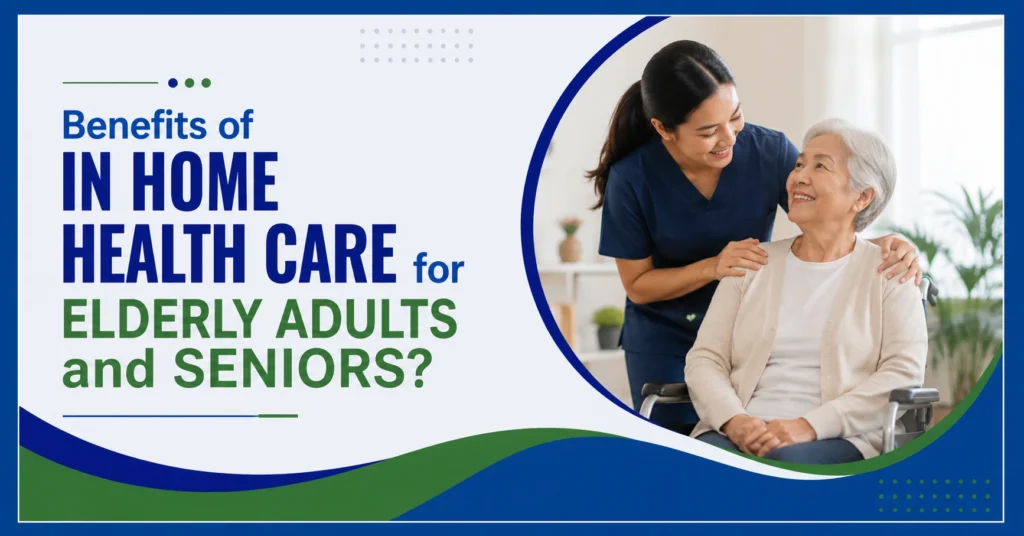
Growing older can bring changes in mobility, energy levels, memory, and the ability to manage everyday activities. For many older adults, remaining at home is a preferred option because it allows them to maintain familiar routines, enjoy personal independence, and stay connected with their families and communities. However, as care needs change, additional support may become necessary to maintain comfort, safety, and quality of life.
In-home health care for elderly adults and seniors provides personalized assistance in the comfort of their own homes. Depending on an individual’s needs, this support may include personal care, companionship, help with daily activities, skilled nursing, recovery assistance, and ongoing support for managing health conditions.
For families in Fredericksburg, Virginia, in-home care can also provide practical support when balancing work, family responsibilities, and an older loved one’s changing needs.
At Fildes Healthcare, we understand that every individual deserves respectful, compassionate care that supports dignity and independence. This guide explores the major benefits of in-home health care for seniors, the services available, and how families can determine whether home care is the right choice.
What Is In-Home Health Care for Elderly Adults?
In-home health care is a range of supportive and healthcare services delivered in a person’s residence. It helps older adults manage everyday activities, address certain healthcare needs, and maintain as much independence as possible while remaining in a familiar environment.
The services provided depend on the person’s health, abilities, preferences, and care plan.
Some seniors need occasional help with bathing, dressing, meal preparation, or household routines. Others may require more consistent assistance, nursing care, or support after a hospital stay.
In-home care generally includes two main categories:
1. Personal and nonmedical home care:
This type of support focuses on everyday activities, companionship, personal hygiene, mobility assistance, meal preparation, and other tasks that help seniors manage daily life.
2. Skilled home health care:
When medically appropriate and available, this type of care involves qualified healthcare professionals providing services such as nursing assessments, certain treatments, medication-related support, and other clinically indicated care at home.
These categories can complement each other, but they are not interchangeable. The appropriate service depends on the older adult’s medical needs and the qualifications of the care provider.
Families can explore Fildes Healthcare’s services to learn more about available care options.
10 Benefits of In-Home Health Care for Elderly Adults and Seniors
Choosing home care can provide meaningful advantages for older adults and their families. Although results depend on the individual’s needs and the quality of care, personalized support can help make daily life more manageable.
1. Helps Seniors Maintain Independence
One of the most important benefits of in-home health care is the opportunity for seniors to continue living in their own homes while receiving appropriate assistance.
Growing older does not automatically mean a person must give up independence. Many seniors can continue making decisions about their daily routines when they receive help with activities that have become more difficult.
A caregiver may assist with getting dressed, preparing meals, moving safely around the home, or organizing everyday activities. Rather than taking over every task, an effective caregiver encourages the older adult to participate in activities they can safely perform.
For example, a senior who can prepare a simple breakfast but struggles with standing for long periods may benefit from meal preparation assistance and supervision as needed.
This approach supports personal choice, confidence, and dignity.
With an individualized care plan, families can arrange support around the senior’s abilities rather than assuming that every older adult requires the same level of assistance.
2. Skilled home health care
Home is often associated with comfort, memories, and a sense of belonging. For many older adults, familiar surroundings provide emotional reassurance and make daily routines easier to maintain.
In-home care allows seniors to receive assistance without necessarily relocating to a residential care setting.
They can continue enjoying familiar rooms, favorite activities, personal belongings, and established routines. Remaining at home may also help seniors maintain connections with neighbors, friends, and family members.
Familiar surroundings can be especially meaningful for individuals who find major environmental changes stressful. However, people living with dementia or other cognitive conditions may need additional safety measures and specialized support.
Families should also evaluate whether the home can accommodate the person’s mobility, medical, and supervision needs.
When the home environment is suitable and the required care can be provided safely, home care can support a comfortable and personalized approach to aging.
3. Provides Personalized Care Based on Individual Needs
Every older adult has different preferences, health concerns, daily habits, and support requirements. In-home health care can be organized around these individual differences.
A personalized care plan may identify assistance with:
- Bathing, grooming, and dressing.
- Toileting and personal hygiene.
- Meal preparation and eating assistance.
- Mobility and transfers.
- Companionship and social interaction.
- Daily routines and household tasks.
- Nursing services when clinically appropriate.
- Assistance following illness, surgery, or hospitalization.
The level of support can also change as a person’s needs develop.
For instance, a senior who initially requires help with grocery shopping and meal preparation may later need assistance with bathing or mobility. Reviewing the care plan regularly helps families respond to these changes.
Personalized care can reduce unnecessary disruption and ensure that support focuses on the activities that matter most to the individual.
Learn more about personal care assistant services to understand how assistance with daily living can support older adults at home.
4. Supports Personal Hygiene, Comfort, and Dignity
Daily personal care can become challenging for seniors experiencing arthritis, reduced strength, balance difficulties, or other age-related changes.
Bathing, dressing, grooming, and toileting may require more time or assistance than before. Without appropriate support, some older adults may avoid these activities because they feel difficult or unsafe.
A trained caregiver can provide respectful assistance while protecting the person’s privacy and preferences.
Depending on the care plan, support may include helping a senior prepare for a bath, selecting comfortable clothing, maintaining personal hygiene, or organizing supplies within easy reach.
Caregivers should encourage participation whenever possible and provide only the assistance needed. Clear communication and respect for personal boundaries are essential.
Consistent hygiene support can also help families recognize changes in a senior’s daily functioning and communicate concerns to the appropriate healthcare professional.
The goal is not simply to complete daily tasks. It is to help older adults feel comfortable, respected, and confident in their own homes.
5. Encourages Social Connection and Reduces Isolation
Social interaction plays an important role in emotional well-being as people age. However, mobility limitations, transportation difficulties, the loss of loved ones, and reduced access to community activities can leave some seniors feeling isolated.
In-home caregivers can provide companionship through conversation, shared activities, hobbies, reading, games, and other meaningful interactions.
They may also help seniors participate in approved outings or maintain contact with family and friends when transportation and the care plan permit.
For example, a caregiver might spend time discussing family memories, helping a senior enjoy a favorite hobby, or accompanying them during a walk when it is safe and appropriate.
These interactions can provide structure and make everyday life feel more connected.
Companionship does not replace relationships with family members, friends, or mental health professionals. However, it can be a valuable part of a broader support system.
Families should pay attention to persistent sadness, withdrawal, or changes in mood and discuss concerning symptoms with a qualified healthcare professional.
6. Helps Families Manage Caregiving Responsibilities
Family caregivers often provide essential support to aging parents, grandparents, spouses, and other loved ones. Over time, balancing these responsibilities with employment, parenting, household tasks, and personal health can become challenging.
Professional home care can help distribute these responsibilities more sustainably.
Depending on the agreed care arrangements, a caregiver may assist with personal care, companionship, meals, mobility, or other everyday needs. This gives family members additional time to focus on their relationships, work, rest, and other responsibilities.
Families may also consider respite care when they need temporary relief from ongoing caregiving duties.
The right level of support depends on the senior’s needs and the family’s circumstances. Some households may benefit from occasional visits, while others may need more frequent or extended assistance.
Professional caregivers do not eliminate every responsibility associated with caring for an older adult. Instead, they can help families build a more practical support system.
Open communication among the senior, relatives, caregivers, and healthcare professionals can help everyone understand their responsibilities and respond to changes in care needs.
7. Supports Recovery After Illness, Surgery, or Hospitalization
Returning home after an illness, operation, or hospital stay can be a demanding transition for an older adult.
A person may temporarily experience weakness, fatigue, reduced mobility, or difficulty completing routine activities. Family members may also be unsure how to provide appropriate support during recovery.
Depending on the individual’s condition and prescribed discharge plan, home-based assistance may help with everyday activities while the person regains strength.
Support might include preparing meals, assisting with safe movement, helping maintain a suitable home environment, and arranging follow-up appointments.
When skilled home health services are indicated, qualified professionals may provide specific nursing or rehabilitation services within their scope of practice and applicable care requirements.
It is important to distinguish general caregiving from medical treatment. A caregiver should not perform clinical procedures or change prescribed treatments without the appropriate qualifications and authorization.
Home care also does not replace emergency services, hospital treatment, or necessary rehabilitation.
Families considering post-hospital support can explore Fredericksburg home health care services to learn more about care options.
8. Provides Additional Support for Chronic Health Conditions
Many older adults live with long-term health conditions that require ongoing attention, including arthritis, diabetes, heart disease, and other chronic illnesses.
Home care can help make everyday routines more manageable while supporting the care recommendations established by the person’s healthcare team.
Depending on the service and the individual’s care plan, assistance may involve preparing suitable meals, helping with daily activities, supporting mobility, observing changes in general condition, or helping the senior follow an established routine.
Qualified nursing professionals may provide clinical services when indicated and authorized.
For example, an older adult with arthritis may need help getting dressed or preparing meals on days when joint pain limits movement. A person managing several daily medications may need assistance organizing routines within the caregiver’s permitted role and the applicable care plan.
Home care should not be presented as a cure for chronic disease. Its purpose is to support daily functioning, coordinate appropriate care, and help the individual follow professional guidance.
Families should report new or worsening symptoms to the senior’s healthcare provider rather than relying on a caregiver to diagnose the problem.
9. Can Improve Home Safety and Everyday Confidence
Falls and household accidents can have serious consequences for older adults. Changes in balance, vision, strength, or mobility may make ordinary activities more difficult.
Home care can help identify everyday challenges and provide assistance with activities that present a risk.
Depending on the senior’s needs, a caregiver may offer support when walking, assist with transfers, keep commonly used items accessible, or help maintain clear pathways.
Families can also consider practical home modifications, including:
- Installing suitable grab bars where recommended.
- Improving lighting in hallways and stairways.
- Removing loose rugs and other tripping hazards.
- Keeping frequently used items within easy reach.
- Using appropriate mobility aids recommended by a professional.
- Making bathrooms and entryways easier to navigate.
Caregiver supervision alone cannot eliminate fall risk. A home safety assessment by an appropriate healthcare or rehabilitation professional may be beneficial when the person has significant mobility difficulties or a history of falls.
The objective is to create a safer environment while allowing seniors to participate in daily activities as independently as their abilities permit.
10. Offers Flexible Care Arrangements as Needs Change
Not every senior requires the same schedule or intensity of support. Some older adults need a few hours of help each week, while others require daily assistance or more extensive supervision.
Home care arrangements may be adapted to individual needs, subject to provider availability, staffing, and the services offered.
Examples include:
Part-time care: Assistance with selected activities, such as personal hygiene, meals, or companionship.
Regular daily care: More consistent support for seniors who need help with several everyday activities.
Live-in care: An arrangement involving a caregiver living in the home to provide agreed support, subject to appropriate staffing and rest arrangements.
Skilled home health care: Clinically indicated services delivered by qualified healthcare professionals when appropriate.
Families should clarify what each schedule includes, whether overnight coverage is continuous, how emergencies are handled, and whether additional caregivers are needed.
For seniors who require extensive assistance, live-in nursing care in Fredericksburg is a useful starting point for exploring available options.
Flexible care planning allows families to reassess the level of assistance as an older adult’s health, abilities, and preferences change.
What Types of In-Home Care Services Are Available for Seniors?
Understanding the available services helps families choose support that matches their loved one’s circumstances.
Personal Care Assistance
Personal care focuses on everyday activities that may become difficult because of aging, illness, or disability.
Services may include bathing, grooming, dressing, toileting, mobility assistance, and help with meals. The exact services depend on the provider’s offerings, the caregiver’s qualifications, and the individual care plan.
Explore personal care assistant services in Fredericksburg for more information.
Companion Care
Companion care focuses on social interaction and practical everyday support. It may include conversation, recreational activities, assistance with errands, and help maintaining a daily routine.
It can be particularly useful for older adults who live alone or have limited opportunities for social interaction.
Companion care is not a substitute for skilled nursing or specialized supervision when medical needs require those services.
Live-In Care
Live-in care provides an arrangement in which a caregiver resides in the older adult’s home and delivers support according to an agreed schedule.
It may be appropriate for seniors who need substantial help with daily activities or a consistent caregiving presence.
Families must clarify caregiver sleeping arrangements, rest periods, overnight responsibilities, backup coverage, and the distinction between live-in care and continuous, awake, around-the-clock supervision.
Skilled Nursing Care at Home
Skilled nursing involves clinical services provided by qualified nursing professionals when indicated.
Depending on the patient’s condition and applicable service requirements, care may involve nursing assessments, wound care, monitoring certain health concerns, or other authorized clinical interventions.
Not every home care agency provides every nursing service. Families should confirm clinical qualifications, service availability, and any required physician orders.
Home Care Following Hospital Discharge
Some older adults need additional help after returning home from a medical facility.
Support may focus on daily activities, mobility, meals, and following discharge instructions. Skilled nursing or rehabilitation services may also be needed when prescribed or clinically appropriate.
Families should coordinate with the discharge team to determine which services are required and who will provide them.
For a broader overview of service options, visit the Fildes Healthcare services.
Who Can Benefit From In-Home Health Care?
In-home health care may benefit older adults with different levels of independence and different support needs.
It may be worth considering for:
- Seniors who want to remain in their own homes but need assistance with daily activities.
- Older adults experiencing mobility difficulties or an increased risk of falls.
- Individuals recovering from an illness, injury, or hospitalization.
- Seniors who need help maintaining personal hygiene and nutrition.
- Older adults managing chronic health conditions alongside their healthcare team.
- People who live alone and would benefit from regular companionship.
- Seniors whose family caregivers need additional support.
- Individuals who require nursing services that can appropriately be delivered at home.
Aging alone is not a reason to assume that someone needs professional care. The decision should reflect the person’s abilities, preferences, safety, and health requirements.
If an older adult requires intensive medical monitoring, specialized dementia supervision, or assistance beyond what a home care provider can safely deliver, another care arrangement or a combination of services may be necessary.
How to Know When an Elderly Parent Needs Home Care
Recognizing when a loved one needs additional support can be difficult. Many changes occur gradually, and seniors may hesitate to ask for help because they value their independence.
Certain changes may indicate that an assessment is appropriate.
Difficulty With Daily Activities
Notice whether your loved one regularly struggles with bathing, dressing, preparing meals, using the bathroom, or moving around the home.
Difficulty completing these tasks may indicate that additional assistance could improve comfort and safety.
Changes in Household Conditions
An increasingly cluttered home, spoiled food, laundry accumulation, or difficulty maintaining basic household routines may suggest that everyday responsibilities have become overwhelming.
These signs should be considered alongside the person’s preferences, physical abilities, and overall circumstances.
Missed Appointments or Medication Concerns
Repeatedly missed appointments, difficulty following an established medication routine, or confusion about care instructions may indicate a need for additional support.
Medication concerns should be reviewed with a pharmacist or healthcare professional. A caregiver’s role in medication assistance must remain within their training and authorization.
Changes in Mobility or Falls
Frequent stumbling, difficulty standing, or a recent fall may warrant professional evaluation.
Families should not wait for a serious accident before discussing safety improvements and appropriate assistance.
Social Withdrawal or Caregiver Strain
Reduced social interaction, persistent loneliness, or growing stress among family caregivers may indicate that the current support arrangement needs to change.
When several of these signs appear together, families can arrange a conversation with the senior and consult appropriate healthcare professionals about the next steps.
How to Choose the Right In-Home Health Care Provider in Fredericksburg, VA
Selecting a home care provider is an important decision. Families should evaluate service quality, caregiver qualifications, communication practices, and the provider’s ability to meet the individual’s needs.
Consider these factors when comparing providers.
1. Confirm Services and Qualifications
Ask which services are offered and whether they match your loved one’s needs.
If nursing or other clinical services are required, verify the appropriate professional credentials, authorization, and scope of practice.
Also ask whether the provider is properly licensed or registered as required by Virginia law for the services it delivers.
2. Ask About Personalized Care Planning
A suitable provider should discuss the older adult’s preferences, daily routines, abilities, and support requirements.
Ask how the care plan is developed, who participates in the process, and how often it is reviewed.
3. Understand Caregiver Screening and Training
Ask about caregiver screening, background checks, training, supervision, and ongoing performance reviews.
You should also understand how the agency responds if a caregiver is unavailable or a replacement is required.
4. Discuss Safety and Communication
Clarify how caregivers report changes in condition, how families receive updates, and what procedures apply during an emergency.
For clinical concerns, establish how the agency coordinates with the senior’s healthcare professionals.
5. Review Costs and Scheduling
Request a written explanation of rates, minimum hours, cancellation rules, overnight arrangements, and any additional fees.
Ask whether services are private pay, whether any applicable benefits or insurance arrangements may cover them, and what documentation is required.
Coverage varies by service, eligibility, and payer. Do not assume that Medicare, Medicaid, or private insurance will cover every type of home care.
How Much Does In-Home Health Care for Seniors Cost?
The cost of in-home health care depends on several factors, including the type of service, required qualifications, number of hours, schedule, location, and complexity of the person’s needs.
Personal care and companionship may have different rates from skilled nursing or specialized clinical services.
The overall cost may also vary depending on whether the senior needs occasional visits, regular daily assistance, overnight support, or a live-in arrangement.
Families can estimate their potential expenses by considering:
- The hourly or daily rate.
- The number of hours required each week.
- Weekend, holiday, or overnight arrangements.
- Any specialized care requirements.
- The duration of the expected care arrangement.
- Applicable insurance or public-benefit eligibility.
For example, a person who needs a few hours of help with daily activities will have different expenses from someone who needs extensive assistance throughout the day.
The most useful next step is to request an individualized estimate based on the senior’s needs rather than relying on a general advertised price.
Families in Fredericksburg can contact Fildes Healthcare to discuss their care requirements and ask about available options.
Frequently Asked Questions About In-Home Health Care for Seniors
1. What are the main benefits of in-home health care for elderly adults?
The main benefits include support for daily independence, personalized assistance, familiarity and comfort, companionship, help with personal hygiene, and additional support for families. Depending on the service, home care may also assist with recovery and certain ongoing healthcare needs.
2. Is in-home health care suitable for seniors who live alone?
Yes, it can be suitable for seniors who live alone and need assistance with daily activities, companionship, or specific care needs. The appropriate schedule depends on the individual’s safety, health, mobility, and ability to manage between visits.
Seniors who require continuous supervision may need more extensive support than occasional caregiver visits can provide.
3. What services are included in home care for elderly adults?
Home care may include bathing, grooming, dressing, toileting, meal preparation, mobility assistance, companionship, and help with daily routines. Some providers also offer skilled nursing or other clinical services through qualified professionals.
The exact services vary by provider and individual care plan.
4. Can seniors receive skilled nursing care at home?
Yes. Skilled nursing services may be available when clinically appropriate and provided by qualified professionals. Examples can include nursing assessments, certain wound care services, and other authorized clinical interventions.
Families should confirm the provider’s capabilities and any applicable clinical requirements.
5. Is in-home care appropriate after a hospital stay?
Home care may help older adults manage daily activities while recovering after hospitalization. Depending on the discharge plan, assistance may include meals, mobility support, and personal care.
When nursing or rehabilitation is needed, the family should coordinate with the healthcare team to arrange appropriate services.
6. How much does home care cost in Fredericksburg, Virginia?
Costs depend on the provider, type of care, caregiver qualifications, schedule, and number of hours required. Skilled nursing may have a different rate structure from personal care or companionship.
Request an individualized estimate to understand the likely cost of the services your loved one needs.